Habitat
Lakes, marshes, deltas and other productive waters.
Pelecanus crispus · پلیکان خاکستری
Wetland birdFish-eaterLarge waterbird
A vast pale waterbird whose scale can distract from the more important story: shallow productive water, fish, nesting space and quiet wetland edges.
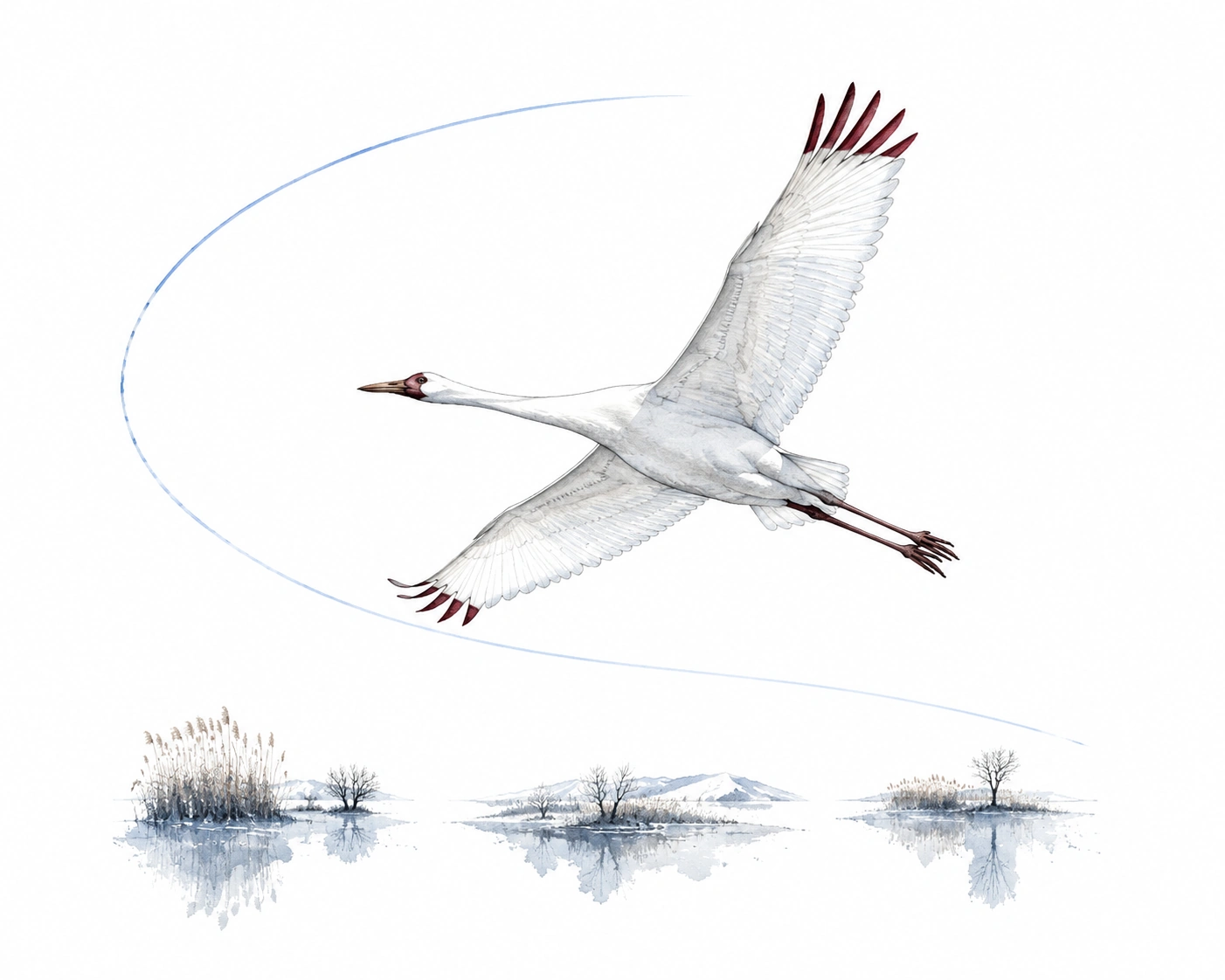
Dalmatian pelicans depend on productive wetlands and waters that can provide fish, resting areas and suitable breeding conditions. Changes in hydrology and disturbance can reshape those conditions quickly.
Lakes, marshes, deltas and other productive waters.
Primarily fish captured in water.
Water level, prey availability and disturbance interact.
The pelican is not just a spectacular bird; it is a measure of whether a wetland remains large, productive and quiet enough to support demanding waterbirds.
It is among the world's largest flying birds, yet much of its life depends on very ordinary wetland processes: fish production, shallow water and secure resting places.
The image on this page is an interpretive habitat or archive plate, not a diagnostic specimen photograph.
Taxonomy and conservation claims follow the archive's specialist-source hierarchy and should be read with the dated source record.